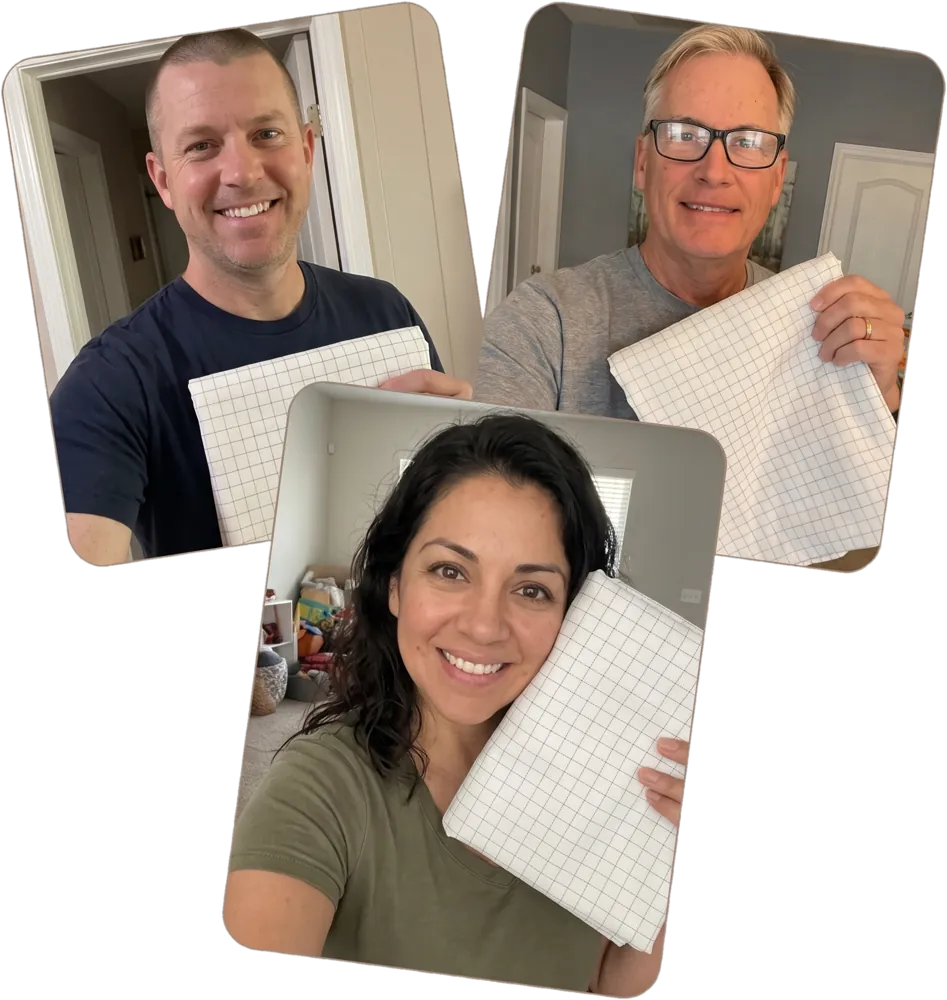
If you are thinking about adding a grounding sheet to your bedroom, one of the first questions is whether it will work with the mattress you already own. The good news is that most mattress types are compatible. At GroundingWell, we design grounding sheets that fit easily into everyday sleep routines. This guide explains what matters and how to set things up correctly.
Key Takeaways
- Grounding sheets work with almost every mattress type.
- The mattress material does not affect the connection.
- Mattress depth matters most for fitted sheets.
- Your skin needs direct contact with the sheet.
- A properly grounded outlet is essential.
Why Mattress Compatibility Matters
Sleep is a major concern for many Americans. According to the Centers for Disease Control and Prevention, 30.5 percent of U.S. adults averaged less than seven hours of sleep in 2024. Around 18.1 percent reported trouble staying asleep most days or every day.
With numbers like these, it is no surprise that people are exploring new ways to improve their sleep environment. Grounding sheets are one option. Before buying one, though, it helps to know how it works with your bed.
How a Grounding Sheet Works
A grounding sheet looks and feels much like a regular sheet. The difference between a grounding sheet and a regular sheet lies in the fabric and the electrical connection.
As SlashGear explains, grounding sheets are typically made from cotton or another natural fabric blended with conductive metal fibers such as silver. A cable connects the sheet to the ground port of a home electrical outlet.
The connection runs through the sheet itself, not through the mattress. That is why the type of mattress underneath has very little effect on how the sheet functions.
Mattress Types That Work With Grounding Sheets
Because the sheet does the work, grounding sheets are compatible with almost every common mattress type:
- Memory Foam: Works well, as long as the sheet fits the mattress depth
- Innerspring: Compatible, with the sheet sitting on top of the comfort layer
- Hybrid: A popular choice that suits grounding sheets easily
- Latex: Natural or synthetic latex mattresses work without issue
- Adjustable Beds: Suitable, provided the cable has enough slack as the base moves
- Air Mattresses: Usable for guests or travel, if the outlet is within reach
What matters far more than the material is the size and height of your mattress.
Mattress Depth Is the Key Factor
Fitted grounding sheets need to stretch securely over the corners of your mattress. If the pockets are too shallow, the sheet will slip off. If they are too deep, the fabric may bunch.
According to the Sleep Foundation, the most common mattress thickness is 10 to 12 inches, while thick mattresses measure 12 to 14 inches and some extra deep models exceed 20 inches. It notes that thicker mattresses may need deep pocket sheets.
At GroundingWell, GroundingWell Fitted Sheet is made from 95 percent organic cotton and 5 percent conductive silver fabric. It comes in Twin, Full, Queen, King and California King sizes, with pocket depths of about 12 to 13 inches depending on the size.
To check your fit:
- Measure your mattress height from the bottom seam to the top surface.
- Include any topper or pad in your measurement.
- Compare with the sheet’s pocket depth before ordering.
- Choose a flat sheet style if your mattress is unusually deep.
What About Mattress Toppers?
Toppers are a common addition, but they change your total bed height. Consumer Reports notes that toppers are typically 1 to 4 inches thick and can add that much to your mattress height.
This matters when choosing sheets. WLOS reported Consumer Reports advice to choose a topper with straps to keep it in place, and to factor the extra height into your sheet size.
A grounding sheet goes over the topper, so it still sits directly under your body.
Can You Use a Mattress Protector?
Yes. A mattress protector goes under the grounding sheet, so it does not interfere with skin contact. Choose a breathable option where possible. Tom’s Guide notes that cotton terrycloth protectors absorb moisture while still allowing air to circulate, while some waterproof designs can trap moisture.
The one thing to avoid is placing a regular sheet on top of your grounding sheet. For the sheet to work as intended, your skin should touch the conductive fabric directly.
What the Research Says
Interest in grounding during sleep goes back decades. A small pilot study published in The Journal of Alternative and Complementary Medicine, recorded by the University of Virginia Library, had 12 participants sleep on a conductive mattress pad in their own beds for eight weeks. Researchers reported lower nighttime cortisol levels and improvements in self reported sleep.
More recent work has used controlled designs. A 2022 double blind pilot study, available through the National Library of Medicine, compared grounding mats with sham mats in people with mild Alzheimer’s disease and reported improved sleep quality scores in the grounded group.
Researchers also stress that the field is still developing. Writing in Sleep Review, sleep scientists described the evidence as emerging and encouraged anyone with ongoing sleep problems to speak with a medical professional.
Setting Up Your Grounding Sheet Correctly
- Check your outlet. Use a socket tester to confirm the outlet is properly grounded.
- Fit the sheet. Stretch it evenly over the mattress or topper.
- Position the cable. Run it safely along the bed frame or wall.
- Connect to the ground port. Plug the cable into the outlet’s grounding port.
- Sleep with skin contact. Bare legs, arms or feet should rest on the sheet.
Caring for Your Grounding Sheet
- Wash in cold water on a gentle cycle
- Air dry only, without tumble drying or ironing
- Avoid bleach, fabric softener and dryer sheets
- Skip detergents with added oils
- Allow lotions to absorb before getting into bed
Good care helps protect the conductive silver fibers and keeps the sheet working well over time.
Conclusion
Grounding sheets work with almost any mattress, from memory foam and hybrid to latex and adjustable beds. The most important factors are the correct fit, direct skin contact and a properly grounded outlet. With the right setup, adding grounding to your bed is simple. Contact us today to find the right grounding sheet for your mattress.
FAQs
Can you put a grounding sheet on a memory foam mattress?
Yes. Grounding sheets work on memory foam mattresses, as the connection runs through the sheet, not the mattress.
Do grounding sheets work with a mattress protector?
Yes. Place the protector under the grounding sheet so your skin stays in direct contact with the conductive fabric.
Can I put a regular sheet over my grounding sheet?
No. A regular sheet blocks skin contact, so the grounding sheet should be the top layer you sleep on.
Do grounding sheets work on adjustable beds?
Yes. Grounding sheets suit adjustable beds, provided the cable has enough slack as the base changes position.
What size grounding sheet do I need?
Choose a sheet that matches your mattress size and has pocket depth suited to your mattress and topper height.
How do I know if my outlet is grounded?
Use a plug in socket tester to confirm the outlet’s grounding port is working before connecting your sheet.